

Ensuring on-time deliveries is critical for business success, particularly in the life sciences sector. Supply chains are key to deliver the solutions needed by patients around the world and supply chain optimization is vital for business continuity.
In addition to serving patients, supply chains can be the difference between maintaining a competitive edge and falling behind the competition. Agility is vital to meeting customer demand, even amidst unforeseen challenges. Therefore, supply chain optimization must be an ongoing effort.
Our team, in Lasalle Group, has lived through the evolution of supply chains over the last two decades. We understand the intricacies of supply chain management and how operational excellence can drive success within this crucial business operation.
This article explores best practices to ensure your supply chain remains agile and resilient.
Driving agility in the Supply Chain is vital to competitivity
Agility is more than speed—it’s the ability to quickly adapt to changes in demand, supply disruptions, or market shifts.
With geopolitical tensions and changing market demands, agility is vital for companies, especially in the life sciences sector. In fact, nearly 60% of biopharma executives acknowledge that agility is crucial for 2024 strategy development.
Challenges such as accuracy in demand forecasting and supply chain disruptions have tested even the most well-prepared companies. Leveraging digitalization and supply chain innovations is key to keeping operations running. Technology such as generative AI helps organizations be more flexible, resilient, and future proof.
Today, technology is pivotal to supply chain optimization, but it is not a cure-all solution for supply chain management challenges.
It is vital that leaders have clearly-defined, healthy, and sustainable operational processes. Prior to adopting new technology, it’s essential that companies:
- Map processes and identify desired outcome(s)
- Understand how technology will help them achieve those outcomes
- Determine how deployment and adoption will alter operations.

What is a supply chain?
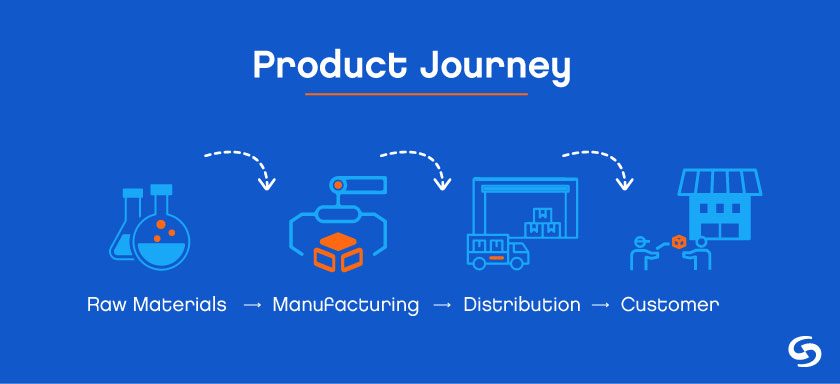
A supply chain encompasses all the steps in transforming raw materials into a finished product delivered to the end customer.
The goal of every supply chain is to deliver products punctually and in an acceptable condition. The more optimized and agile your operation, the greater your returns.
However, optimization isn’t just about fast delivery—it’s about creating a sustainable system that adapts to change.
Supply Chain Optimization includes rethinking traditional rigid supply chains and embracing regional, local, and hybrid sourced models for increased flexibility and faster reaction times.
Key Elements in the Supply Chain Operations
Reliable and efficient supply chain operations are crucial for any organization’s success. This is particularly relevant in industries dependent on timely product delivery, such as life sciences, manufacturing, and healthcare.
Let us focus on life sciences and general manufacturing operations.
Fabrication: Aligning Manufacturing with Demand
The fabrication stage involves transforming raw materials into finished products.
In supply chain operations, this process must be agile to adapt to demand fluctuations while maintaining quality and cost efficiency.
Successful manufacturing hinges on accurately forecasting demand and implementing flexible production schedules that reflect real-time market conditions.
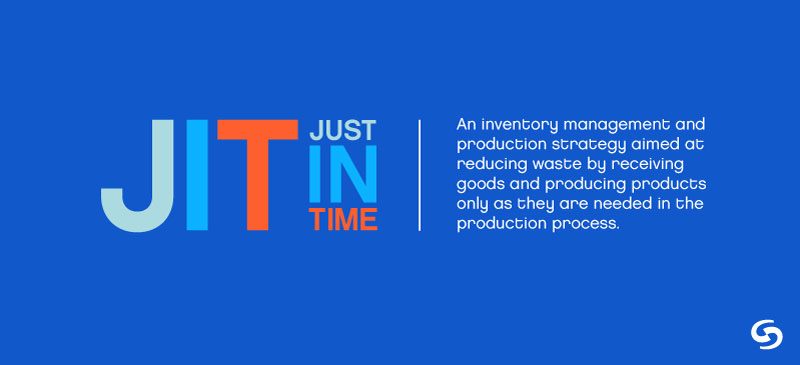
For instance, a Just-In-Time (JIT) production approach orders and produces materials only when they are needed. This method reduces the risk of overproduction and minimizes excess inventory storage.
However, without robust demand forecasting tools or digital technologies like big data and machine learning, JIT systems can experience bottlenecks. These bottlenecks occur because predicting market trends accurately at a global and even national level is a challenging task. Even more so in times when both the Business Confidence Index and Consumer Confidence Index show unusual volatility.
Integrating advanced technology and real-time data analytics into the fabrication process helps to address this issue. According to McKinsey, effective use of AI in inventory control can achieve up to a 20% reduction in inventory carrying costs. This approach allows businesses to respond swiftly to changes, balancing inventory with market demands more effectively.
Supply: Strengthening Supplier Relationships
The second element of the supply chain, supply, focuses on acquiring raw materials and components from vendors and suppliers.
Efficient supply operations are critical to ensuring uninterrupted production. Building strong, long-term relationships with reliable suppliers enhances supply chain agility, enabling better communication and quicker responses when issues arise.
Global events such as geopolitical tensions, trade restrictions, or natural disasters can quickly disrupt supply chains in today’s dynamic market. Therefore, building a mix of local and global suppliers is critical to mitigate risks and maintain business continuity.
Having contingency plans and collaborating with suppliers who can align with your operational goals provides extra security to your operations.
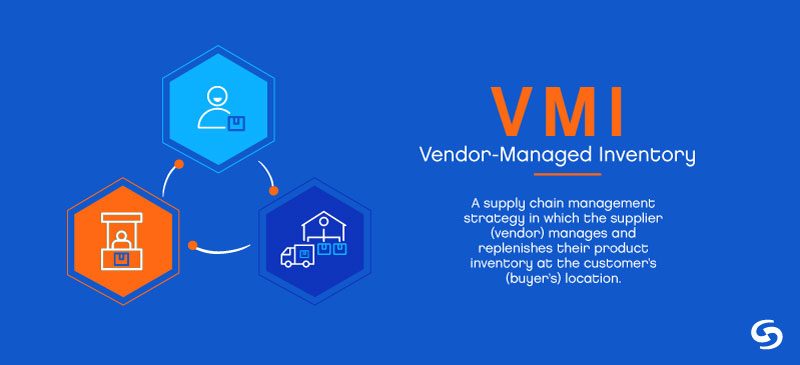
Another tool for Supply Chain Management are Vendor-Managed Inventory (VMI) systems. Implementing a VMI can enhance collaboration with suppliers by allowing them to manage stock levels. This reduces the burden on internal inventory management and ensures a smoother, more responsive supply chain.
Distribution: Ensuring Seamless Delivery
Distribution is the component of Supply Chain that gets products from manufacturing facilities to customers and end-users.
A well-organized distribution network is essential for timely and efficient deliveries. This phase of the supply chain involves transportation, warehousing, and last-mile delivery. Each element must be managed carefully to ensure products arrive at their destination on time.
Today, supply chain distribution requires more than efficient logistics; it demands adaptability and quick decision-making. Companies must anticipate potential disruptions—such as transportation delays, weather conditions, or political instability. Distribution strategy includes continuous monitoring and proactive adjustments to meet delivery targets.
Agile supply chain networks use technology and data analytics to detect potential disruptions in real-time. The use of technology and internal and externally available data enables companies to reroute shipments, optimize stock management, and shorten lead times.
Additionally, organizations can improve distribution by implementing omnichannel strategies.
Omnichannel supply chains go a step beyond multichannel supply chains. They provide an elevated level of integration and coordination between fulfillment and distribution channels to serve consumers in the digital age. This approach enables companies to meet demand across multiple channels, whether direct-to-consumer, wholesale, or retail.
This new strategy reflects Supply Chain leaders’ focus beyond costs to include value and customer satisfaction.
Flexible distribution methods are vital to ensure businesses can respond to demand spikes and unforeseen challenges while containing costs.
Successful Supply Chain Optimization
Supply chain optimization involves refining all elements of supply chain operations to boost efficiency, cut costs, and ensure agility in responding to market changes.
A well-optimized supply chain improves profitability and customer experience. It ensures that businesses consistently meet customer expectations.
To effectively optimize their supply chains, companies need to prioritize key performance outcomes and grasp the importance of agility.
In our experience, supply chain optimization needs to go beyond Sales & Operations Planning (S&OP) at a corporate level. It is vital that Supply Chain leaders and their teams at the manufacturing site continuously look at their processes and implement continuous improvement efforts.
Corporate leaders, manufacturing operations managers, and supply chain directors should be fully aware of each manufacturing site’s approach to supply planning. This includes distinguishing between rigid and agile supply chain models.
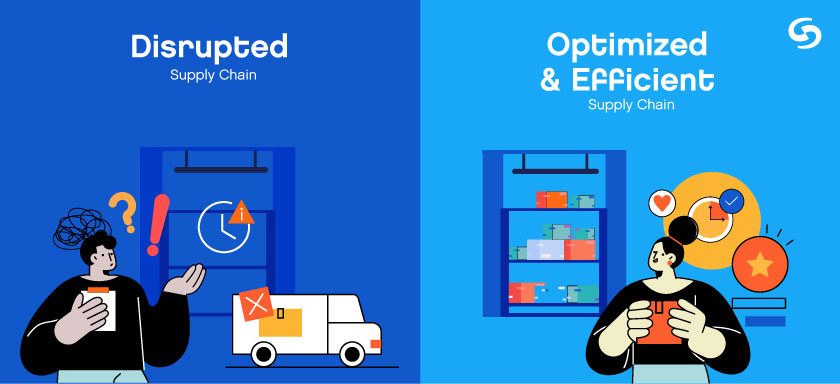
Opportunities for Supply Chain Optimization
Some key areas a company can focus to drive supply chain optimization are:
- Data Analytics: Use advanced data analysis tools to understand customer demands, track inventory levels, and evaluate supplier performance.
- Technology Integration: Use effective supply chain software, smart devices, and automation to enhance visibility and smooth operations.
- Collaboration: Strengthen partnerships with suppliers and customers to enhance communication and work better in the supply chain.
- Inventory Management: Optimize inventory using just-in-time practices, safety stock analysis, and better forecasting to reduce storage costs.
- Process Standardization: Standardize processes across the supply chain to reduce variability, enhance efficiency, and improve quality.
- Risk Management: Identify potential risks in the supply chain and develop contingency plans to mitigate disruptions and ensure smooth operations.
- Continuous Improvement: Adopt methodologies like Lean and Six Sigma to regularly assess and refine supply chain processes for greater efficiency.
Why should companies continuously drive Supply Chain Optimization?
For most companies one, multiple, or all of the following statements are true:
- Competition is increasing
- They are facing new or growing challenges in supply chain management.
- They are facing new or growing challenges in predicting market behavior.
This includes anything from reporting, regulation, or changing prices, to name some more in-depth examples.
By continuously driving supply chain optimization, companies ensure competitiveness, resiliency and, in some cases, innovation. These efforts should go beyond providing customer goods and services on time and with the best quality. They present an opportunity to develop competitive advantages.
In our team’s professional and consulting experience, optimization can lead to the following business benefits:
- Cost Reduction: Lower costs at various supply chain stages, from procurement to transportation. This includes minimizing inventory holding costs, reducing waste, and improving supplier contract terms.
- Improved Lead Times: Faster delivery times get products to market quicker, boosting customer satisfaction and reducing time-to-market for new products.
- Enhanced Flexibility and Agility: Enables quick adaptation to demand, market changes, or disruptions with minimal delays or added costs.
- Increased Visibility: Uses technology and real-time data to improve control over inventory, production schedules, and supplier performance.
- Higher Service Levels: Delivering products on time and in excellent condition significantly boosts customer satisfaction, leading to stronger customer loyalty.
- Sustainability: Optimizing the supply chain includes reducing environmental impact by cutting waste, refining transport routes, and adopting sustainable sourcing.
All these elements are key to supply chain management (SCM). Optimization ensures that the supply chain becomes a strategic asset rather than a cost center.
Conclusion: Optimizing Supply Chains for Long-Term Success
At its core, supply chain optimization is about much more than moving products efficiently; it’s about creating a resilient system that adapts to the demands of today’s dynamic business environment. An optimized supply chain becomes a critical driver of success in industries like life sciences, manufacturing, and healthcare, where timeliness and precision are non-negotiable.
By combining agility, operational excellence, and advanced technologies, businesses can strengthen supplier relationships, respond to disruptions, and improve efficiency across every stage of their operations. These efforts go beyond cost savings—they enable companies to deliver value to customers, foster innovation, and build a foundation for sustained growth.
In an unpredictable global market, supply chain optimization is no longer optional; it’s an ongoing commitment to staying competitive, responsive, and future-ready.
As Yolanda Lassalle, CEO of LaSalle Group, says, “Supply chain is the heart of manufacturing operations.” Optimizing that heart ensures organizations remain robust, adaptable, and positioned for success in every market condition.
This article was developed with the support of Yolanda Lassalle (Chief Executive Officer), Mayra Marquez (US Chief Operations Officer), and Osvaldo Marcucci (Junior Engineer Business Transformation Consultant).